
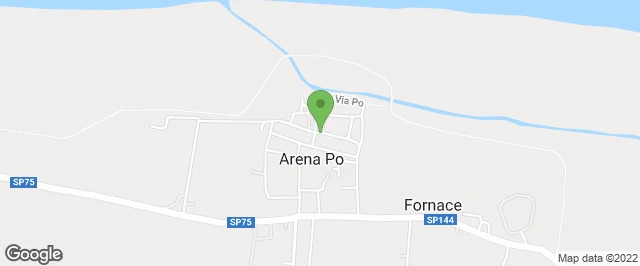
Il toponimo Arena va ricondotto alla natura sabbiosa del terreno fluviale sul quale sorge. La specificazione Po venne aggiunta successivamente, nel 1863.
Le origini del borgo si rintracciano in testimonianze archeologiche risalenti a popolazioni romane stanziatesi lungo le rive del fiume, importantissima via di comunicazione tra il mare Adriatico e l'entroterra padano.
Grazie alla sua posizione strategica, sul confine tra territorio pavese e quello piacentino, divenne centro commerciale e luogo di transito verso la sponda opposta del fiume. In età romana il territorio arenese appartenne alla pertica municipale di Placentia che comprendeva la zona intersecata dei torrenti Bardonezza, Versa, Scuropasso e Coppa. Dopo la caduta dell'impero romano d'occidente, un limitrofo stanziamento militare d'origine sarmata ne confermava il ruolo strategico di posizione di presidio. Ruolo che mantenne con gli Ostrogoti, i Bizantini ed i Longobardi. Questi ultimi nel 569 intrapresero con Alboino la conquista di città padane tra cui Pavia, sottomettendo la zona a sud del Po chiamata "ultrapadanum", l'attuale Oltrepò pavese, per creare la base di partenza per la conquista di Piacenza avvenuta dopo il 590. Arena finì sotto l'orbita civile di Pavia, ma restò sotto la diocesi di Piacenza ancora per lungo tempo. E' probabile che facesse parte del complesso sistema fortificato stabilito lungo la linea del torrente Bardonezza, "limes" tra schieramento longobardo e bizantino, presidio militare che controllava sia il corso del Po sia l'importantissima antica via Postumia detta poi via Romea, (la via correva parallela al corso del fiume e proprio all'altezza di Arena si staccava un'arteria secondaria che attraversava il Po e si congiungeva alla via di collegamento, ancora utilizzata nel medioevo, tra Ticinum e Laus Pompea). Lo stanziamento longobardo in Arena viene confermato sia dalla presenza di "un’arimannia" come fulcro dell'organizzazione del territorio sia dalla presenza di un'antica pieve e di una cappella dedicate rispettivamente a S.Pietro e a S.Salvatore, il cui culto era molto diffuso tra i longobardi.
La prima menzione del Comune di Arena risale al 1246, ma è plausibile che già all'inizio del XII secolo esistesse un organismo comunitario stabilmente organizzato. Data la sua posizione "limitanea", in età comunale fu teatro di scontri tra Pavia ghibellina e Piacenza alleata di Milano. Il suo porto, estremo avamposto contro Piacenza, fu base di appoggio militare. Verso la fine del '200 l'autonomia dei comuni rurali volgeva al tramonto. In data 1271 risulta che il Comune di Arena cedette con facoltà di riscatto tutti i beni ed i diritti appartenenti alla comunità, a Giacomo Portalbera ed a Riccardo Sacchetti. Nel 1290 il Comune, incapace di riscattare le prerogative cedute, trovò il migliore offerente in Manfredo Beccaria che con un'offerta di 600 lire pavesi pose le basi giuridiche sulla sua personale Signoria su Arena. L'importanza di Arena e del suo porto fluviale venne mantenuta in età sforzesca quando fu nuovamente base militare. Si ha notizia di un "portonarius" da cui dipendevano guardie incaricate di controllare il traffico sul fiume agli ordini della cancelleria ducale e del capitano del Naviglio residente a Milano. Gran parte dei connestabili e navaroli della flotta ducale provenivano proprio da Arena, dove facilmente si potevano reperire uomini esperti nella navigazione perché traghettatori e cavatori di sabbia sul fiume.
Sul finire del '400 ebbe inizio il graduale processo di recessione economica del Ducato sforzesco e molti arenesi furono costretti ad abbandonare le proprie terre o venderle per l'eccessiva pressione fiscale. La crisi economica raggiunse il culmine nell'età della dominazione spagnola del '500.
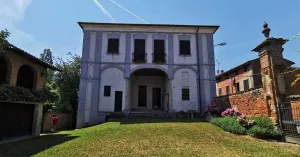
Il feudo di Arena ed il titolo signorile vennero messi al pubblico incanto ed acquisiti dalla famiglia Maggi di Milano che li rivendette nello stesso anno al senatore Alessandro Speciani di Pavia. La famiglia Speciani manterrà il feudo per un secolo possedendo anche i dazi, il censo del sale, la tassa sui cavalli ed il reddito sul porto fluviale. Nel '600 subentrerà la famiglia Mandelli con Ottone Francesco. Durante l'assedio di Pavia, nel 1655 fu conquistata dai franco-savoiardi penetrati in Lombardia e ripresa nello stesso anno dagli spagnoli. Insieme ai Mandelli, tra il sei ed il settecento, alle vecchie famiglie feudali si aggiunse l'aristocrazia barocca, i Negri, gli Isimbardi che ad Arena e nel territorio costruirono le loro grandi dimore. Nel 1743, insieme ad altri centri dell'Oltrepò Pavese, venne staccata dal Principato di Pavia passando ai Savoia. Con la costituzione della nuova Provincia di Voghera del 1744 si gettarono le basi del moderno comune di Arena. Aggregata in età napoleonica al dipartimento di Genova, nel 1815 venne definitivamente inserita nel mandamento di Stradella appartenente alla provincia di Voghera ed alla divisione di Alessandria. Soltanto nel 1859 ritornerà a far parte della ricostruita provincia di Pavia inserita nel mandamento di Stradella del circondario di Voghera. Dal 1926 al 1946, il Comune venne amministrato da Podestà, il più rinomato fu Giuseppe Nocca a cui è legato il restauro della chiesa di S. Giorgio. L'8 aprile 1862 Arena Po vide Garibaldi, ospite di Giacomo Griziotti, suo fratello d'armi nello sbarco dei mille. Nella drogheria gestita dai Griziotti, gli arenesi la definivano bottega benedetta per il credito aperto a tutti, trovarono ospitalità e conforto esuli e patrioti perseguitati e braccati.
Il borgo e la sua storia - Arena Po
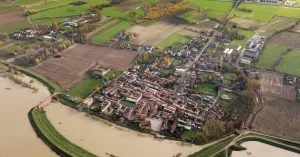
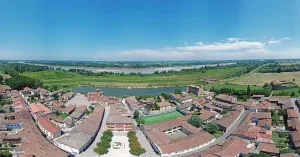
Uno dei borghi dell'Oltrepò Pavese e la sua storia: Arena Po
Galleria Fotografica
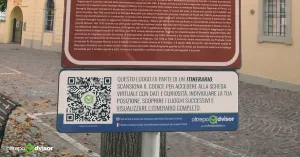
Descrizione articolo
[Per segnalare eventuali refusi/errori usa la form di contatto. Grazie per la collaborazione.]
Luoghi di interesse
La pagina in cui ti trovi rappresenta un luogo di interesse appartenente ad un itinerario, clicca qui per vederlo completo
Prosegui la scoperta del territorio attraverso i nostri itinerari, clicca qui per vederli tutti
Prosegui la scoperta del territorio attraverso i nostri itinerari, clicca qui per vederli tutti
Luogo successivo dell'itinerario
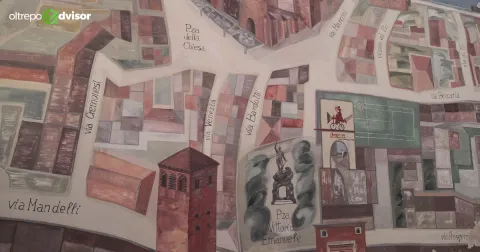
Borgo d'Arte - Isabela Ghebarus
L'opera esposta al MAAAPO di Arena Po è stata realizzata dall'artista Isabela Ghebarus.
Mostra percorso
Luogo precedente dell'itinerario
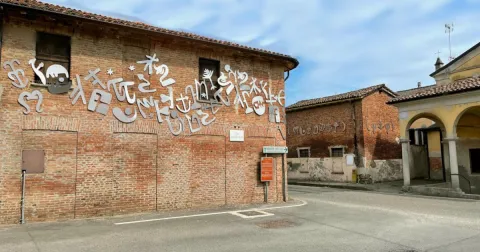
Identità Globale - Gaetano Grillo
L'opera esposta al MAAAPO di Arena Po è stata realizzata dall'artista Gaetano Grillo.
Mostra percorso
Percorsi Tematici
I Percorsi Tematici: un insieme di contenuti accomunati tra loro da un tema per andare alla scoperta di un territorio con un sistema di suggerimenti a portata di mano!