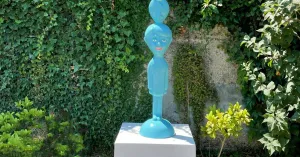
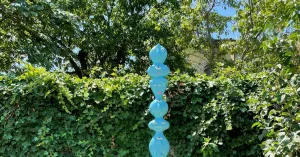

Nelle Personalità multiple di Gianni Cella vediamo rappresentata l’interiorità dell’adolescente, suo alter ego che l’artista abbraccia per osservare il mondo con un occhio immaturo, ma anche libero da ogni preconcetto. In questo modo si spiega l’approccio coerente alla figura, sproporzionata, spezzettata, forzatamente allegra anche quando subisce ogni sorta di mutilazione o modifica del corpo. Il bambino-adolescente vede fuoriuscire dal cranio figure aliene e fumettistiche, come se si arrampicassero sulle sue spalle. Salire sulle spalle di qualcun altro ricorda i giochi da bambino anche se la moltiplicazione de gli esseri umani è simbolo della società di massa, di spersonalizzazione e di sopraffazione.
L’interno prende forma plastica dando spessore a fantasmi dotandoli di rilievo plastico. Spesso la rappresentazione del subconscio ci porta verso luoghi oscuri e inesplorati, Cella, invece, riesce a dare forma giocosa e colorata, senza spaventare, ma anzi, attirando l’attenzione di chi guarda. E per farlo si è rivolto a una tecnica piuttosto inusuale nel mondo dell’arte: la vetroresina. Cella ha scelto questo materiale in quanto facilmente adattabile alla libera modellazione perché si lavora come la creta. Nella scultura tradizionale il segno manuale assume sostanza materica e visibile, la vetroresina trasforma, invece, le opere in creature con contorni morbidi e continui, talvolta aliene, impersonali e, forse, proprio per questo, universali.
Egli si sente perdente, si sente inadeguato, sente inutile lo sforzo di dipingere bene, di scolpire bene. La sua arte riprende degli elementi popolari, ne riprende, per certi versi, l’ingenuità. Quindi, Cella vuole risvegliare anche in noi il fanciullo che riposa nel nostro passato e per fare ciò ci emoziona, coinvolgendoci in uno spazio ironico e piacevole. Ma attenzione che il suo universo pop, vivace, colorato, quasi cristallino, descrive con grande lucidità la contemporaneità, la cultura vuota ed allucinata della “cultura di massa”, le difficoltà dell’uomo di superare il proprio sensi di inadeguatezza e le difficoltà di relazionarsi con gli altri. Cella sembra suggerirci che la nostra identità è definitivamente cambiata: viviamo eternamente e immensamente in una generale felicità anche se siamo tutti uguali, uniformati in nome di un conformismo che è il gettone di presenza per partecipare allo spettacolo di una società ottimista per statuto.
I personaggi di Cella «possono essere definiti aforismi figurali e concettuali, in quanto ogni suo lavoro si offre come pensiero decentrato, plurale, inquieto, che sfugge continuamente alla unilateralità dei comportamenti, e colpisce il mito stesso della “verità”, costringendo il pensiero ad andare oltre, ad abbandonare ogni stabile certezza» (Marisa Vescovo, 2005).
Cella vivendo il suo lavoro con una corrosiva ironia, un umorismo anarchico, in fondo ci dice che l’uomo d’oggi personifica un’infanzia che governa per sempre la sua vita, che necessariamente prende forma giocando.
Per maggiori informazioni riguardanti l'opera e l'artista:
www.giannicella.it
Contatti:
gnncella@gmail.com
ufficiostampa.giannicella@gmail.com